Deep roots, community gardens, and the East Side within reach.
By Junia Janvier, REALTOR® · Corcoran Chart House Realty · Updated October 2026
Mount Hope is one of the East Side’s oldest communities, with a history that reaches from colonial farms to one of Providence’s earliest free Black neighborhoods. This guide covers that history, the neighborhood’s streets and housing, what homes cost to buy and carry, how residents get around, and what buyers should check before making an offer.
Mount Hope is one of six East Side neighborhoods, bounded by Rochambeau Avenue to the north, Hope Street to the east, Olney Street to the south, and the rail line and I-95 to the west. Camp Street runs lengthwise through its center and has long served as its main landmark.
The area was settled in the late 1600s as farmland. The Jeremiah Dexter Farmhouse on North Main Street, built in 1754, is the neighborhood’s oldest recorded surviving structure, and French Army troops camped on the Dexter farm in 1782 on their return from Virginia during the American Revolution. The North Burial Ground, Providence’s first public cemetery, was established in 1700 and anchors the neighborhood’s western side.
In the 1800s, the southern part of Mount Hope grew into one of Providence’s earliest free Black communities, many of them formerly enslaved people and their descendants after Rhode Island’s 1784 Gradual Emancipation Act. Rising tensions over housing fueled the Hard Scrabble riot of 1824 and the Snow Town riot of 1831, which targeted Black residents. Later, Cape Verdean families also made homes here, centered around Camp and Cypress Streets.
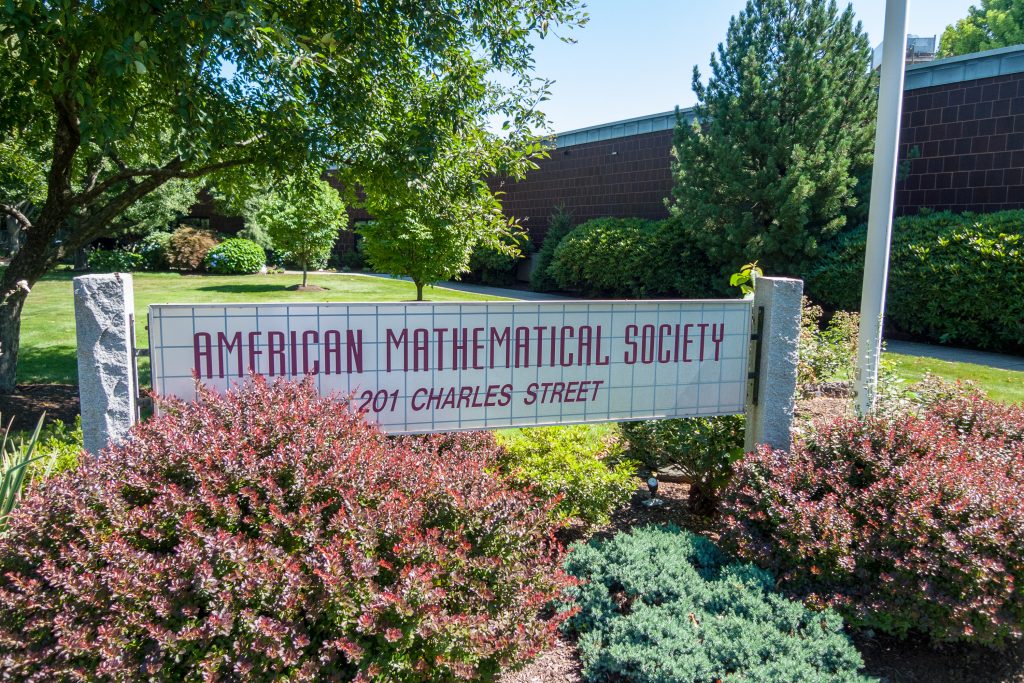
The 20th century brought major change. The city’s Lippitt Hill redevelopment project rebuilt much of the southern neighborhood, and critics have long said it displaced many longtime Black residents. Today Mount Hope’s community garden, churches, and institutions such as the American Mathematical Society headquarters sit alongside homes that span nearly three centuries.
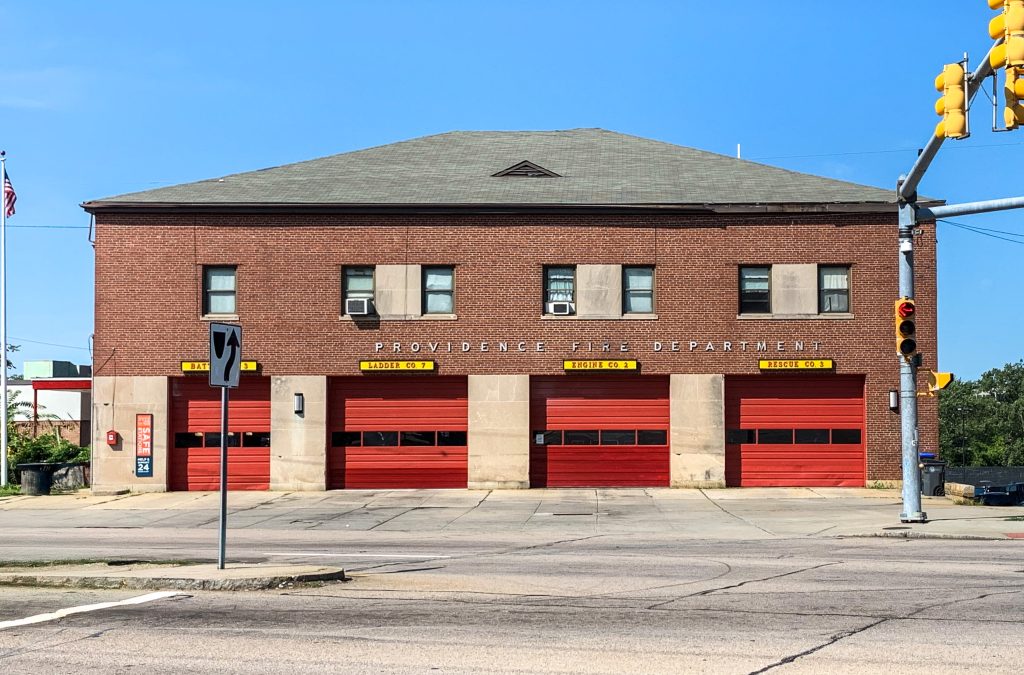
Mount Hope fire station
Getting oriented
Streets, blocks, and sub-areas
Mount Hope is a larger, more varied neighborhood than its East Side neighbors, and each edge has its own feel.
Camp Street corridor
The neighborhood’s central street, with homes, churches, Dr. Martin Luther King Jr. Elementary School, and the community garden nearby. Mostly two- and three-family houses and single-families.
The Hope Street edge
Blocks near Hope Street put restaurants, cafes, and shops within a short walk, along with Ladd Observatory at Doyle Avenue. These homes tend to sell fastest.
The southern blocks
Streets near Olney Street and the area rebuilt during the Lippitt Hill project include larger apartment complexes and newer homes, close to College Hill and downtown.
North Main Street side
Western blocks near North Main Street, the North Burial Ground, and I-95 offer everyday retail and errands, with more traffic than interior streets.
Housing
Homes and architecture
Mount Hope offers the widest mix of home types on the East Side. Expect late 19th and early 20th century single-family homes, classic Providence two- and three-family houses, some apartment complexes, and newer construction from the redevelopment era. A handful of much older homes, including the Dexter Farmhouse, survive from the neighborhood’s farming years.
Single-family homes: Victorian and early 20th century houses, many near Hope Street and the northern blocks
Two- and three-families: common throughout, and a strong fit for owner-occupants who want rental income
Apartment complexes and newer homes: concentrated in the southern blocks rebuilt in the 20th century
Prices vary: by size, condition, and location, so recent nearby sales matter
American Mathematical Society headquarters
Market deep dive
The market and what homes cost to carry
Mount Hope gives buyers East Side location with more multifamily choices. In the three months ending June 2026, the median sale price was around $800,000, and homes sold in a median of about 30 days. With an owner and renter mix of roughly 50/50, multifamily homes make up a meaningful share of what comes to market.
Property taxes, worked out
Providence taxes owner-occupied homes at a lower rate than investment properties. Here is what that looks like at Mount Hope price points.
Home type and value
Rate per $1,000
Yearly tax
Monthly
Owner-occupied single-family, $800,000
$8.40
$6,720
~$560
Owner-occupied 2 to 5 family, $760,000
$7.55
$5,738
~$478
Same 2 to 5 family, not owner-occupied
$14.00
$10,640
~$887
Assessed values often differ from sale prices, and exemptions can change the bill. Rates: City of Providence FY2027 Municipal Levy Ordinance.
Living in one unit of a two- or three-family keeps you at the owner-occupied rate and lets rental income offset part of the mortgage, which is one of the main reasons buyers look at Mount Hope.
Commute & transit
Getting around
On foot: Hope Street, Brown University, and College Hill are walkable, and downtown is about 20 minutes on foot
By bus: RIPTA Route 1 (Eddy/Hope/Benefit) runs along Hope Street, and the R-Line (Broad/North Main) serves North Main Street
By train: Providence Station is a short drive or bus ride south for Amtrak and MBTA commuter rail to Boston
By car: I-95 runs along the neighborhood’s western edge
By air: Rhode Island T. F. Green International Airport is about 20 minutes south by car
Outdoors
Parks and green space
Mount Hope Community Garden: shared garden plots and green space in the heart of the neighborhood
North Burial Ground: 110 acres of historic, landscaped grounds, established in 1700 and listed on the National Register, for quiet walks
Ladd Observatory: Brown University’s 1891 observatory at Hope Street and Doyle Avenue hosts free public observing nights on Tuesdays, weather permitting
Lippitt Park and Blackstone Boulevard: the farmers market and the 1.7 mile walking path are a short walk northeast
Lifestyle
Daily life in Mount Hope
Mount Hope feels neighborly and grounded. Errands happen on North Main Street, dinner and coffee on Hope Street, and Brown and College Hill are a short walk south. The community garden and long-standing churches give the neighborhood gathering places, and its history is visible in buildings from the 1700s onward.
For schools, Providence Public Schools uses a citywide enrollment process. Dr. Martin Luther King Jr. Elementary School is located on Camp Street, and families can review options and school data through the Providence Public School District and the Rhode Island Department of Education.
Honest take
Pros and tradeoffs
What people love
East Side location close to Hope Street, Brown, and downtown
A wide mix of single-family and multifamily homes
Deep community history and long-standing institutions
Community garden and historic open space
What to weigh
Blocks near North Main Street and I-95 have more traffic
Prices vary widely by block and condition
Older homes need careful inspections
Homes near Hope Street can sell quickly
Buyer checklist
What to check before you buy in Mount Hope
Financing first: get pre-approved, since homes near Hope Street move quickly
Older homes: budget for inspections that look closely at lead paint, wiring, heating, and foundations
Block by block: visit at different times of day, since streets near North Main Street and I-95 feel different from interior blocks
Multifamily numbers: review leases, rents, and unit condition before you count on rental income
Comparable sales: look at recent sales on nearby streets, since prices vary widely across the neighborhood
Programs: first-time buyers may qualify for RIHousing loans and down payment assistance
FAQ
Questions buyers ask about Mount Hope
Where is Mount Hope in Providence?
On the East Side, bounded by Rochambeau Avenue, Hope Street, Olney Street, and the rail line and I-95. It sits just north of College Hill and west of Blackstone.
What does a home in Mount Hope cost?
In the three months ending June 2026, the median sale price was around $800,000, though prices vary widely between single-family and multifamily homes and by block.
Is Mount Hope good for buying a multifamily?
It can be. Two- and three-family houses are common, and owner-occupants pay $7.55 per $1,000 instead of $14.00. Review rents, leases, and repairs before you commit.
What is the history of Mount Hope?
It was colonial farmland, became one of Providence’s earliest free Black communities in the 1800s, later welcomed Cape Verdean families, and was reshaped by 20th century redevelopment.
Work with Junia
Thinking about Mount Hope?
Junia Janvier is a REALTOR® with Corcoran Chart House Realty who helps buyers and sellers across Rhode Island, in English and Haitian Creole. Bring your budget, your timeline, and your questions, and she will help you see where Mount Hope fits.
Sources: Redfin neighborhood data, June 2026 (small samples, so expect swings); City of Providence FY2027 Municipal Levy Ordinance; 2020 U.S. Census; RIPTA; Rhode Island Department of Education school directory; Brown University Ladd Observatory; Wikipedia articles on Mount Hope, the Jeremiah Dexter House, and the North Burial Ground. Figures change often and are provided for general information only; contact Junia for current numbers. Photos: Mount Hope Community Garden, fire station, and American Mathematical Society photos by Kenneth C. Zirkel (CC BY-SA 4.0), via Wikimedia Commons.
Junia Janvier, REALTOR® | Corcoran Chart House Realty | 47 Maple Avenue, Barrington, RI 02806 | (401) 246-4198 | RI License RES.0201111. Corcoran and the Corcoran logos are trademarks of Corcoran Group LLC. The Corcoran® System is comprised of company owned offices which are owned by a subsidiary of Anywhere Real Estate Inc. and franchised offices which are independently owned and operated. The Corcoran System fully supports the principles of the Fair Housing Act and the Equal Opportunity Act.
Equal Housing Opportunity
Top
Stay in the Loop
Get insights, resources & ideas delivered straight to your inbox. No spam, ever.

 Equal Housing Opportunity